
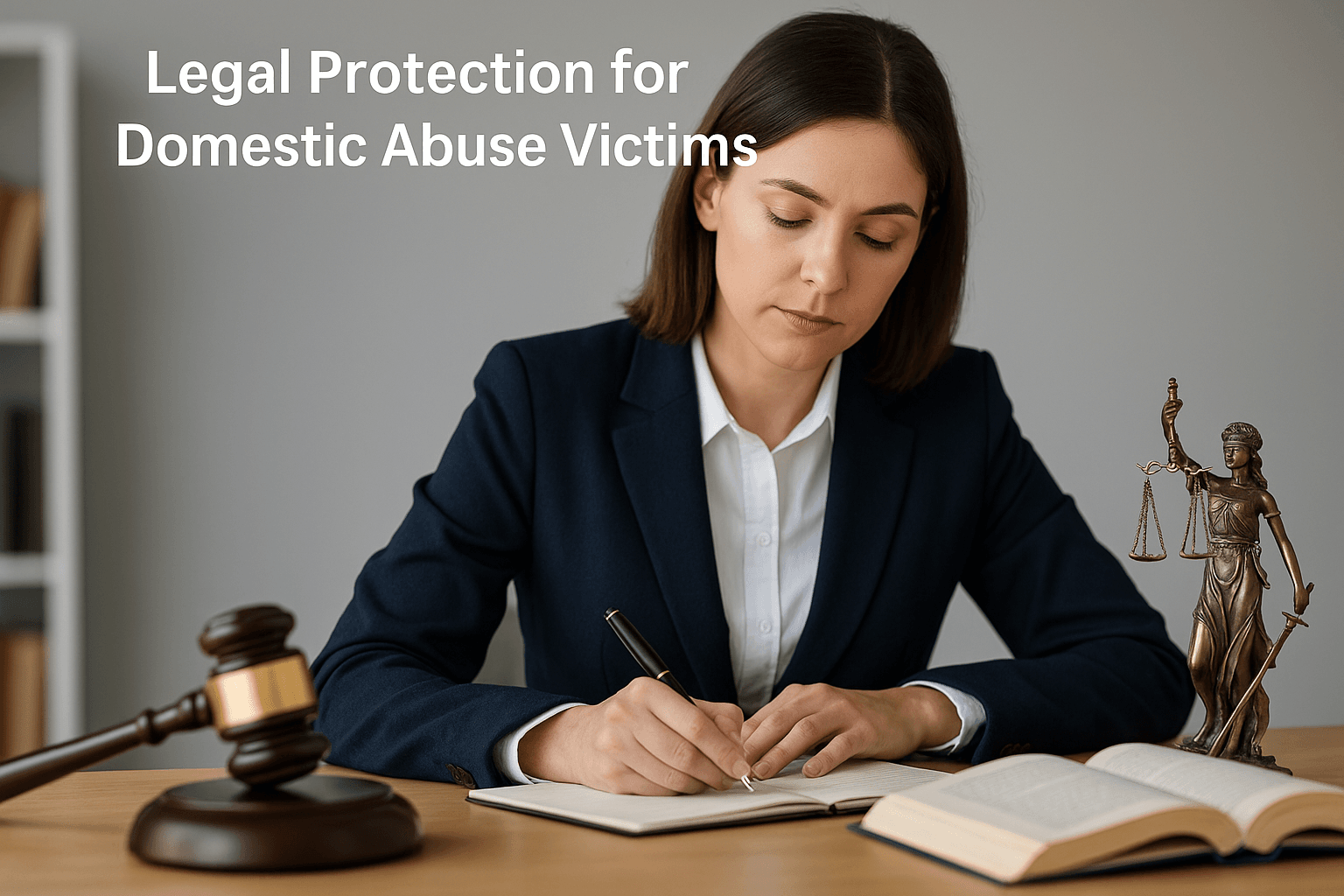
Domestic abuse and family law often overlap when parents separate, especially where coercive control or financial abuse is involved. These experiences affect safety, communication, child arrangements and financial decisions. The Family Court takes all forms of abuse seriously and prioritises the wellbeing and protection of children.

What Does Domestic Abuse Mean in Family Law?
Domestic abuse can include:
- Physical harm
- Emotional or psychological abuse
- Financial control
- Sexual abuse
- Coercive or controlling behaviour
Coercive control involves behaviour used to intimidate, isolate or dominate a partner, such as monitoring movements, restricting money, threats or preventing contact with others.
Abuse is about power, control and fear — not just physical violence.
Why Domestic Abuse Matters in Family Proceedings
Domestic abuse impacts the ability to communicate safely, raise concerns and protect children. In domestic abuse and family law cases, the court prioritises child safety above all else.
- Negotiation may be unsafe or imbalanced
- Children may experience emotional harm
- Contact arrangements must be risk-assessed
Child Arrangements in Domestic Abuse and Family Law Cases
When abuse is raised, the court must assess whether spending time with each parent is safe and in the child’s best interests. This may involve:
- Fact-finding hearings
- Safeguarding checks by CAFCASS
- Safe or structured contact arrangements
- Supervised contact if necessary
- No contact where safety is a concern
A child will never be required to have contact that places them at risk.
How Domestic Abuse Affects Financial Settlements
Abuse may influence financial proceedings where a partner was controlled, denied access to money or intimidated. The court may consider:
- Full and fair disclosure of finances
- Solicitor-led communication for safety
- Any vulnerability caused by abuse
- The long-term impact of coercive control
Protective Orders in Domestic Abuse and Family Law
If you feel unsafe, legal options include:
Non-Molestation Order
Protects you and/or your child from threats, harassment or abuse.
Occupation Order
Decides who can stay in the family home and can prevent the abuser from entering.
Urgent applications can be made if there is immediate risk. Read more on GOV.UK.
How the Court Approaches Abuse Allegations
The court follows Practice Direction 12J to ensure the case is handled safely. Evidence such as messages, statements or police records may be required. Special measures such as remote hearings can also be requested.
Support if You Are Experiencing Abuse
Support may include legal advice, domestic abuse services and emotional or practical help. For more guidance, visit our family law services.
Contact Prime Legal Solicitors
For confidential advice on domestic abuse and family law, call 0330 341 4757 or use our online enquiry form to book a consultation.
Author

Mariam Mohammed