
UK Aesthetics Regulations: What’s Changing and Why It Matters
The UK beauty industry is undergoing one of its most significant shifts. With new beautician law changes, salon owners, aesthetic practitioners, and cosmetic professionals must prepare for a stricter framework to raise safety and professional standards.

Why the Rules Are Changing
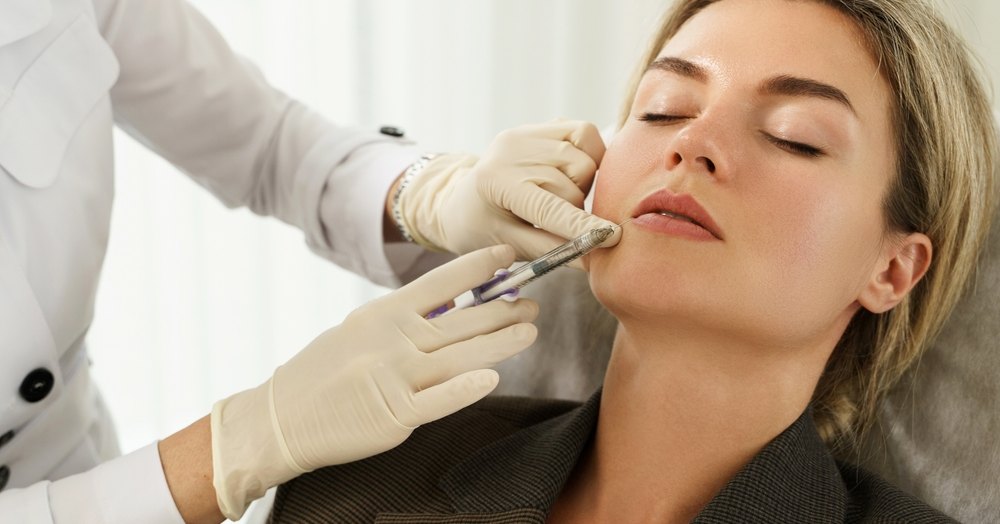
Demand for non-surgical cosmetic procedures has surged, bringing safety concerns and complications. The Government’s planned licensing framework for England, which the Health and Care Act 2022 allows it to introduce, aims to protect patients, set national standards, and restore trust in the aesthetics sector. As at October 2026 the scheme is not yet in force. In August 2025 the Government confirmed it will first restrict the highest-risk procedures to qualified healthcare professionals, and will then develop local authority licensing for other treatments.
Key Takeaways of the Proposed Regulations
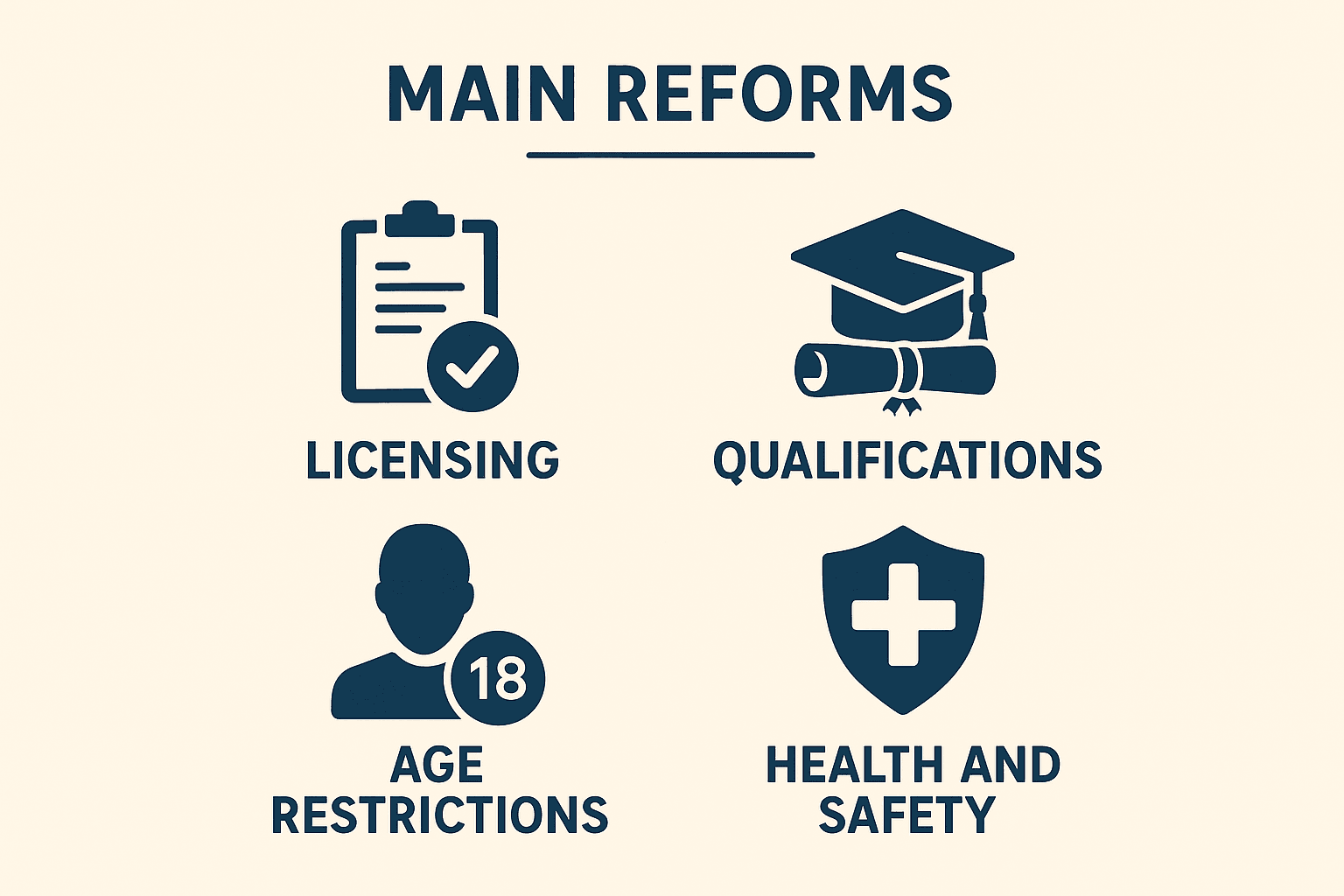
- Proposed licensing for higher-risk treatments, with the highest-risk procedures restricted to qualified healthcare professionals.
- Formal qualifications and training required for practitioners.
- Strict health and safety rules for salons and clinics.
- Age restrictions for under-18s on fillers and botulinum toxin (already law in England since October 2021).
- Strong recommendation for aesthetics insurance.
Licensing and Training Requirements
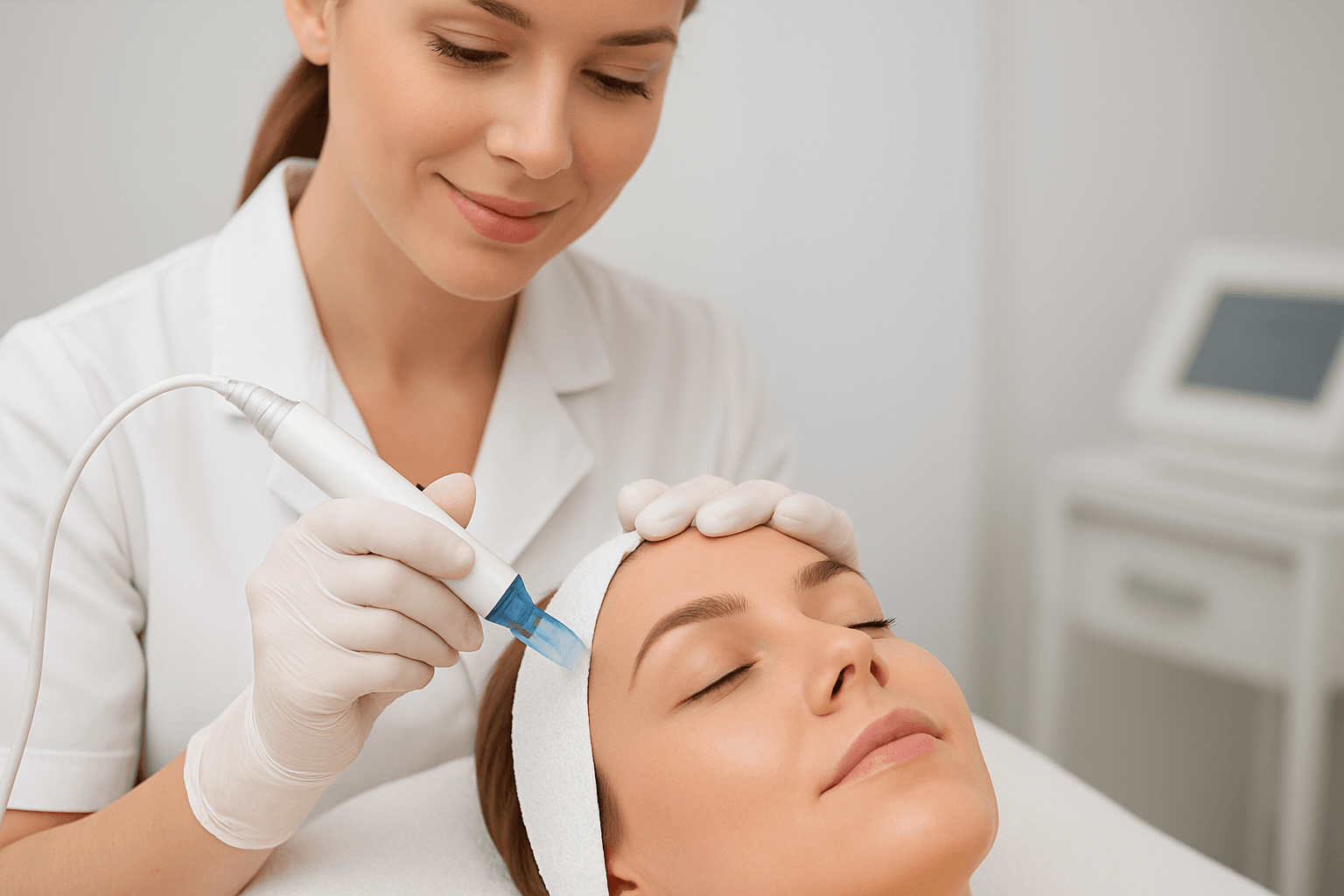
Under the proposals, practitioners will need a licence to perform procedures such as fillers, laser treatments, microneedling and chemical peels, and will need to meet set training and qualification standards. The details, including which qualifications will be required, are still being developed.
Consultation, Consent, and Client Safety
Practitioners must provide detailed consultations, explain risks, and obtain signed consent. This aligns the UK with global safety best practices and reassures clients of high standards.
Health, Safety, and Insurance
- Hygiene and infection control standards matching healthcare facilities.
- Safe disposal of clinical waste and medicines.
- Accurate record-keeping for every procedure.
- Insurance coverage for complications, claims, and regulatory action.
Legal Risks of Non-Compliance
Once the scheme is in force, non-compliance could lead to fines, licence suspension, or even criminal prosecution. Following the licensing rules made under the Health and Care Act 2022, and existing law such as the under-18 restrictions, is essential for protecting clients and business longevity.
FAQs
- Who will need a licence? Under the proposals, anyone performing in-scope procedures such as fillers, with the highest-risk procedures restricted to qualified healthcare professionals.
- Are healthcare professionals exempt? This depends on the final rules, which have not yet been made. Healthcare professionals should check the latest Department of Health and Social Care guidance and follow their own regulator’s standards.
- Is insurance mandatory? It is strongly recommended, and appropriate insurance is expected to be a condition of a licence once the scheme is in force.
- What if I don’t comply? You risk penalties, closure, or criminal charges for unsafe practices.
Need Expert Legal Guidance?
Contact us today for help navigating UK aesthetics law, applying for licences, or ensuring compliance. Call 0330 3414757 or use our online enquiry form.
Updated 26 October 2026 to reflect the law in force at that date.
Author

Hassan Ansari